Caribbean Food Centennial: Exploring Regional Island Specialties
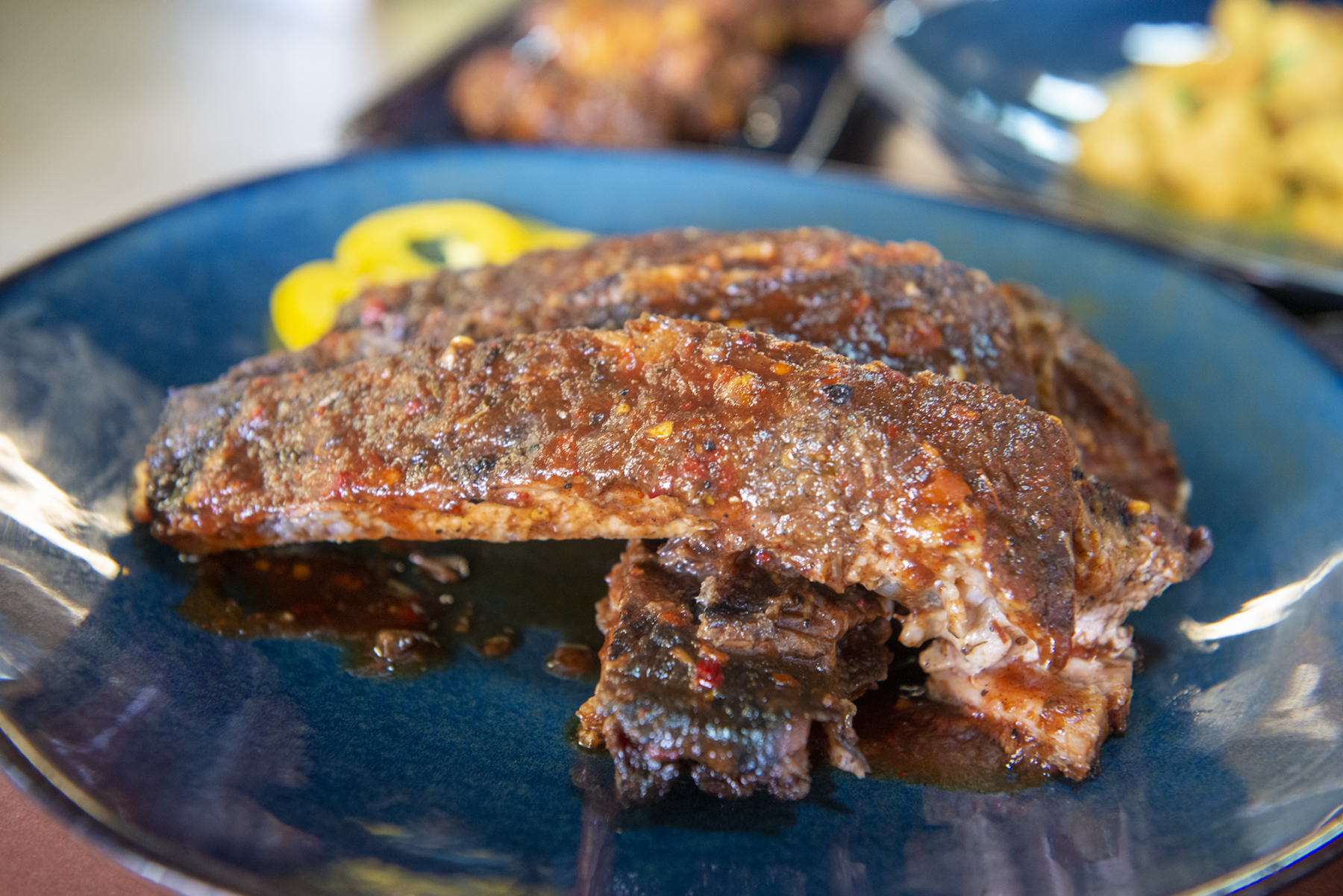
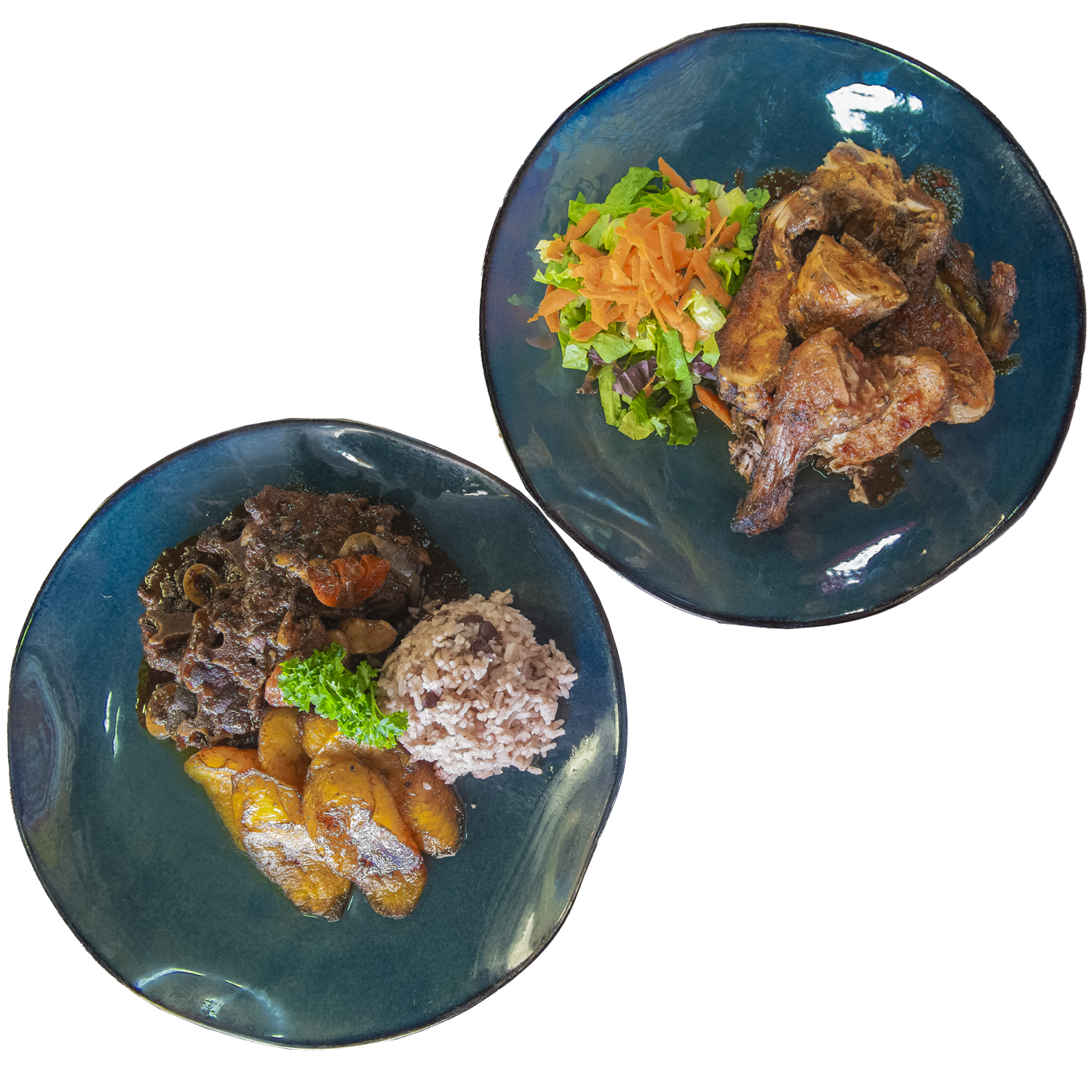
A century is a useful span for thinking about Caribbean food because the region’s cooking has never been static. Over the last hundred years, island kitchens have absorbed migration, tourism, war rationing, independence movements, agricultural booms and busts, refrigeration, global shipping, and the steady exchange of recipes between grandmothers, street vendors, hotel chefs, and home cooks abroad. What remains striking is not just the variety from island to island, but the way each place keeps translating history into flavor.
The phrase caribbean food centennial suggests a milestone, yet Caribbean food does not fit neatly into one anniversary or one story. It is better understood as a hundred-year conversation across sea lanes and family tables. African techniques, Indigenous ingredients, European colonial influence, Indian indentureship, Chinese migration, Levantine trading networks, and North American market demand all left marks. Those marks are still visible in the crackle of fried plantain, the perfume of allspice, the sour edge of lime over fish, and the slow warmth of Scotch bonnet in a pot that has been simmering since morning.
Anyone who has spent time eating across the islands learns quickly that “Caribbean food” is not a single cuisine. Jamaican patties and Cuban ropa vieja do not come from the same culinary instinct, even if both belong to the same sea. Trinidad doubles at dawn, Bajan flying fish at lunch, a Puerto Rican lechón feast at Christmas, and a bowl of Dominican sancocho after rain all express different landscapes and social histories. The deeper pleasure lies in noticing both the common threads and the regional stubbornness that keeps each specialty local.
The ingredients that tie the region together
Some ingredients appear so often that they function almost like a shared dialect. Plantains, cassava, yams, sweet potatoes, pigeon peas, coconut, rice, beans, saltfish, fresh reef fish, goat, pork, rum, citrus, and chile peppers recur across the basin. Yet shared ingredients do not produce uniform dishes. Coconut milk in one island becomes a silky fish stew. In another, it enriches rice. Elsewhere, it sweetens dessert or thickens a breakfast porridge.
Seasoning is where identity announces itself. Green seasoning in Trinidad and parts of the eastern Caribbean, often built from culantro or chadon beni, scallion, thyme, garlic, and peppers, tastes different from a Jamaican wet rub heavy with pimento, scallion, thyme, and Scotch bonnet. The French Creole islands lean into sauces and reductions with a structure that can feel more classically European, though never entirely. Spanish-speaking islands often build comfort through sofrito, oregano, adobo, tomato, and slow braising. Even the salt behaves differently. Sea air, curing methods, and access to fresh protein shaped generations of island cooks who learned when to salt hard and when to let lime and herbs carry the work.
Rice and ground provisions tell the same story of adaptation. In lean years, cooks made humble ingredients feel substantial. A pot of rice cooked with pigeon peas, coconut, or bits of smoked meat can hold a household together. So can boiled green bananas with saltfish, or breadfruit roasted over coals and eaten with butter, oil, or stew. These are not fallback foods in a dismissive sense. They are examples of resourcefulness becoming tradition.
Jamaica, where spice meets smoke
Jamaica often serves as many outsiders’ first encounter with Caribbean cooking, and that visibility can flatten the island’s culinary range. Jerk deserves its reputation, but Jamaican food is far broader than jerk chicken sold from roadside drums. The classic jerk profile, especially on pork, balances fire, sweetness, and aromatic depth through pimento berries, thyme, scallion, garlic, ginger, and Scotch bonnet. Traditional pit cooking over pimento wood adds a resinous smokiness that is difficult to fake. Good jerk should taste seasoned all the way through, not merely spicy on the surface.
Ackee and saltfish carries a different kind of authority. As the national dish, it reflects the fusion at the center of Jamaican cuisine. Ackee, originally from West Africa, cooks into soft yellow folds that resemble scrambled eggs but taste richer and more delicate. Salt cod, introduced through colonial trade, brings salinity and chew. Tomatoes, onions, peppers, and thyme complete the pan. The dish can be sublime or disappointing depending on one practical detail: ackee must be handled properly. Underripe ackee is dangerous. Overcooked ackee turns mushy. The best versions hold their shape and absorb seasoning without collapsing.
Then there are dishes that rarely make glossy travel brochures but matter deeply to everyday life. Mannish water, pepper pot soup, rundown made with mackerel and coconut milk, escovitch fish with tart pickled vegetables, festival beside fried fish, and curry goat at a family gathering all reveal a cuisine of texture and timing. A Jamaican breakfast can be as serious as dinner. A plate of callaloo, fried dumpling, salt mackerel, and green banana says more about lived food culture than any resort buffet ever could.
Trinidad and Tobago, a crossroads on a plate
If Jamaica’s food often announces itself through smoke and spice, Trinidad and Tobago wins people over through layering and movement. Here, East Indian influence is impossible to miss and impossible to separate from the national table. Doubles may be the clearest example of a humble food becoming an emblem. Two soft bara, curried channa, pepper sauce, tamarind, kuchela, perhaps a little cucumber, maybe shadow beni if the vendor is sharp, and breakfast becomes an event. The best doubles are warm, messy, and finely tuned. Too much chutney and the balance tips sweet. Too little pepper and the dish loses its spark.
Roti culture in Trinidad is another world of judgment and nuance. Buss up shut, dhalpuri, and paratha each have their loyalists. Fillings matter, but so does the wrap itself. A dry roti ruins curry. A heavy one drags the meal down. Chicken, goat, duck, channa and potato, or shrimp all appear, depending on the cook and the occasion. What stands out over time is how ordinary this complexity feels to locals. Street food here is not casual in the culinary sense. It is skilled, competitive, and often exacting.
Creole dishes hold equal importance. Pelau, perhaps the most beloved one-pot dish in Trinidad, relies on caramelized sugar, meat, rice, pigeon peas, coconut milk, and green seasoning. It looks straightforward until you try to make a great one. The sugar must darken enough to create depth without turning bitter. The meat needs color. The rice must finish separate, not muddy. Pelau is a dish of confidence, usually made by cooks who do not measure every ingredient.
Tobago, while politically linked with Trinidad, keeps its own pace and flavor profile. Crab and dumpling is the dish most often cited, and rightly so when the crab is fresh and the sauce penetrates the dumplings. Tobago’s food tends to feel more coastal and less urban, with a gentler hand in some preparations and a stronger sense of the sea as daily pantry.
Barbados and the discipline of clean flavors
Barbadian food often rewards close attention because its strengths are less about overwhelming seasoning and more about precision. Flying fish with cou-cou remains the national touchstone. The fish, lightly seasoned and often steamed or fried, needs freshness above all. Cou-cou, made with cornmeal and okra, sounds simple enough, but texture separates a careful kitchen from an indifferent one. It should be smooth, not gluey, with enough body to stand against sauce. At its best, it is deeply comforting and quietly elegant.
Pudding and souse offers a more assertive expression of Bajan taste. The souse, typically pickled pork with cucumber, onion, lime, and herbs, is cold and bright. The pudding, a steamed sweet potato mixture seasoned with onion and spices, is dense and savory. Eaten together, they deliver acid, starch, fat, and spice in a combination that seems unusual until the second bite, when it clicks.
Barbados also has one of the strongest rum traditions in the Caribbean, and food cannot be separated from it. Rum shops historically functioned as communal spaces where fried fish, cutters, and simple cooked dishes met conversation and politics. That setting matters. Food traditions survive not only because recipes endure, but because social institutions keep serving them.
Cuba, where scarcity sharpened ingenuity
Cuban cuisine is sometimes misread as plain by travelers expecting constant heat or tropical sweetness. Its pleasures are more restrained and often rooted in slow cooking. Ropa vieja, picadillo, congrí, yuca con mojo, lechón asado, and black bean soup form a repertoire built from patience rather than spectacle. Citrus, garlic, oregano, cumin, onion, and pork fat do immense work here.
Lechón is central to Cuban celebratory cooking, particularly around the holidays. Properly roasted pork should have garlicky depth, juicy interior meat, and crackling skin. It is a dish that carries social weight because of the labor involved and the communal ritual surrounding it. Yuca with mojo seems almost modest by comparison, yet a bowl of well-cooked cassava slicked with sour orange, garlic, and oil can outshine more elaborate plates.
Any honest discussion of Cuban food over the past century has to acknowledge scarcity and substitution. Economic hardship reshaped domestic cooking. Families learned to stretch ingredients, replace unavailable items, and preserve flavor through technique when products were limited. That story belongs to the broader caribbean food centennial narrative. Great regional cuisines are not formed only in abundance. They are equally shaped by constraint.
Puerto Rico and the architecture of comfort
Puerto Rican cooking has a particular gift for dishes that feel festive and comforting at the same time. Sofrito anchors much of the cuisine, building flavor from culantro, peppers, onion, garlic, and herbs before rice, beans, meat, or sauces enter the pot. Adobo seasoning, sazón, annatto oil, and olives often follow. The result is food with warmth and savor rather than aggressive heat.
Mofongo is perhaps the island’s most internationally recognized dish, though it is often mishandled outside Puerto Rico. Fried green plantains must be pounded while still hot with garlic, salt, and pork cracklings or oil. If they cool too much, the texture turns leaden. If they are overworked, the dish becomes pasty. A good mofongo has a rough, yielding structure that catches broth or sauce beautifully. Shrimp in creole sauce, roast pork, or simple chicken stock can all finish it well.
Lechón deserves separate mention because Puerto Rico treats roast pork almost as an art form. In mountain towns known for lechoneras, the quality of the skin is judged instantly. Crispness matters, but so does the seasoning beneath it. Rice dishes, especially arroz con gandules, bring the table together, while pasteles reveal the labor-intensive side of the cuisine. A proper pastel, wrapped and boiled, is not casual weeknight food. It is the kind of dish that preserves family memory because several hands often make it.
The Dominican Republic and the food of daily rhythm
Dominican food tends to be practical, generous, and deeply tied to the pace of ordinary life. La bandera, the everyday plate of rice, beans, and stewed meat with salad, says a lot about how national cuisines truly function. Signature dishes matter, but most people live on repeatable meals that fit work, weather, and budget. When those meals are done well, they become identity.
Mangú, mashed green plantains served with sautéed red onions and often eggs, salami, or cheese, is the breakfast most visitors remember. It is hearty without being heavy in the way some starch-forward breakfasts can be. Sancocho, on the other hand, belongs to weekends, gatherings, and rainy afternoons. A good pot may contain several meats and root vegetables, developing body from time rather than cream or flour.
Dominican cooking usually uses chiles with restraint compared with some other islands. That is not a lack. It is simply a different balance, one that prioritizes garlic, oregano, long-cooked onions, cilantro, and stock. Fresh avocado on the side, a squeeze of lime, and a plate becomes complete.
Haiti, one of the region’s great culinary powers
Haitian food does not always receive the international attention it merits, but in terms of depth, discipline, and distinction, it stands among the Caribbean’s strongest traditions. Epis, the caribbean food centennial seasoning base of herbs, garlic, peppers, and aromatics, gives Haitian cooking a vivid, savory backbone. Griot, perhaps the best-known dish, depends on careful marinating, simmering, and frying. Good griot should be crisp at the edges and tender inside, with enough sourness from citrus to cut the richness.
Diri kole ak pwa, tassot, soup joumou, and legim show the breadth of the cuisine. Soup joumou is especially important because it is inseparable from Haitian independence history. To eat it on New Year’s Day is to participate in remembrance, not just appetite. Caribbean specialties often carry this dual role. They feed and they testify.
One practical note often missed by casual observers is how much Haitian food relies on sequencing. Marination, par-cooking, frying, and saucing happen in stages. Skip one, and the flavor falls flat. That attention to process is a hallmark of many mature regional cuisines.
The smaller islands, where local specialties stay stubbornly local
Some of the most memorable Caribbean foods come from islands with smaller populations and less international culinary marketing. Martinique and Guadeloupe offer French Creole cooking with dishes such as accras, court-bouillon, and colombo, where French method and Caribbean ingredients meet in ways that feel polished without losing soul. St. Lucia’s green fig and saltfish turns green bananas into something hearty and exactingly seasoned. Grenada, long associated with spices, naturally builds aromatic intensity into everyday cooking, whether in oil down or cocoa tea.
The Bahamas brings cracked conch, conch salad, peas and rice, baked macaroni, and guava duff into the discussion. Much depends on marine freshness. Conch prepared moments after cleaning has a sweetness and resilience that imported versions rarely match. In Antigua and Barbuda, fungi and pepperpot remain central, tying cornmeal, greens, and stewed meats to a long local memory. In the Cayman Islands, turtle stew has historic significance, though changing conservation ethics and modern regulations complicate its place on today’s table. That is part of the centennial story too. Food traditions evolve not only because tastes change, but because ecological limits force decisions.
What a century changed, and what it did not
Over the last hundred years, three major shifts altered Caribbean food in ways visible on every island. First came urbanization and the decline of purely subsistence patterns. As people moved toward towns and cities, street food expanded and restaurant culture widened. Second came migration, especially to the United Kingdom, the United States, and Canada. Diaspora cooks carried recipes abroad, adjusted them to available ingredients, and then sent those adjustments back through visits and family ties. Third caribbean food centennial came tourism, which created demand for dishes that represented an island quickly and recognizably, sometimes preserving specialties, sometimes simplifying them.
That simplification can be useful and harmful at once. It helps visitors encounter a cuisine. It also risks reducing a living tradition to a handful of exportable plates. Jerk, rum cake, patties, and plantains have become ambassadors, but no island’s food can be understood from its airport snacks and hotel buffets alone.
At the same time, some fundamentals did not change. Seasoning still matters more than decoration. Texture remains a mark of skill. Freshness, especially for fish and herbs, still separates excellent cooking from adequate cooking. Family authority still carries weight. Many of the best dishes in the Caribbean are judged against a mother’s, an auntie’s, a neighbor’s, or a vendor’s version that has been refined over decades. Written recipes help, but embodied knowledge still rules.
How to taste the region well
If the goal is to explore regional island specialties seriously, a little discipline helps. The smartest approach is not to chase only famous dishes, but to pay attention to context. Eat breakfast where local workers eat breakfast. Ask what appears on Sundays versus weekdays. Notice which dishes show up at wakes, Carnival, Christmas, Easter, and beach limes. Learn the difference between food cooked for tourists, food cooked for convenience, and food cooked with pride for regulars.
A few habits make that easier:
- Try one national icon and one everyday staple in each place.
- Eat at least once from a street vendor with a strong local following.
- Ask about seasoning bases, not just main ingredients.
- Notice starch choices, because they reveal history and economy.
- Return to the same dish twice if possible, since one sample rarely tells the whole story.
That last point matters. A single mediocre bowl of sancocho or plate of cou-cou does not define a cuisine. Caribbean food can vary widely even within one island, depending on parish, household, season, and budget. Repetition sharpens understanding.
The centennial lens matters because memory is edible
Thinking in centennial terms encourages a broader appreciation of how Caribbean food endures. It has survived hurricanes, monocrop economies, migration, political upheaval, and the commercial pressure to become more generic. Yet the region’s specialties remain intensely themselves. A Trinidadian doubles vendor still works a griddle with speed and instinct. A Jamaican jerk pan still smokes at the roadside. A Puerto Rican family still debates whose pasteles are best. A Haitian pot of soup joumou still means more than lunch. A Bajan cook still knows exactly when cou-cou has reached the right stiffness.
That is what makes the idea of a caribbean food centennial compelling. It is not a celebration of frozen heritage. It is a recognition that the Caribbean has spent the last hundred years protecting identity through adaptation. The food changed because life changed. It also stayed recognizable because cooks refused to let the essential flavors disappear.
Regional island specialties are not curiosities for travelers to sample and summarize. They are records of trade routes, labor systems, family survival, celebration, and local pride. To explore them properly is to listen as much as to eat. The plate tells you what grew nearby, what arrived by ship, what cost too much, what lasted in heat, what fed many mouths, and what people loved enough to keep making even when it was difficult.
A century from now, some recipes will surely look different again. Climate, migration, and global supply chains will see to that. Even so, it is hard to imagine Caribbean food losing its defining qualities: bold seasoning, respect for starches and stews, clever use of preserved ingredients, and that instinct for turning hardship and abundance alike into something memorable. The region has been doing exactly that for generations, one island specialty at a time.
Reggae Pot Jamaican Grill
Address: 7562 S University Blvd Unit C, Centennial, CO 80122
Phone: (303) 997-5623
FAQ About caribbean food centennial
What Jamaican dishes can I try in Centennial?
Reggae Pot Jamaican Grill serves Jamaican specialties such as jerk chicken, stewed oxtail, curry goat, and ackee and saltfish. Check the current menu for availability.
What is ackee and saltfish?
It is Jamaica’s national dish. The restaurant prepares ackee with salted cod, onions, thyme, tomatoes, garlic, black pepper, and pimento.
Can I order Jamaican food for pickup in Centennial?
Yes. Choose the Centennial location at 7562 S University Blvd Unit C when placing a takeout order.